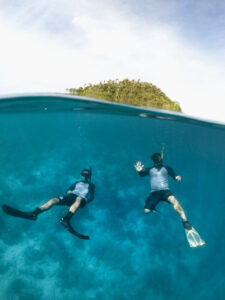
The Galapagos Islands, an archipelago located in the Pacific Ocean, are famous for their unique biodiversity and their significant contributions to the theory of evolution. But beyond the surface, the waters surrounding these islands also hold a submarine treasure: the Galapagos Marine Reserve. In this blog, we will explore the richness of this protected marine area and how it contributes to the preservation of the Galapagos ecosystem.
Get to know the Galapagos Marine Reserve on one of our wonderful cruises 🍃⛴️🐢 Contact us !!!!
The Creation of the Marine Reserve
In 1998, Ecuador established the Galapagos Marine Reserve with the goal of protecting and conserving the marine life surrounding the islands. This reserve covers a vast area that extends beyond terrestrial borders, recognizing the importance of preserving both the marine and terrestrial environment.
The creation of the Galapagos Marine Reserve was not merely a response to current threats but a visionary act of conservation within a historically significant context. By the late 20th century, the Galapagos Islands experienced increasing human pressure and activities that threatened the integrity of their marine ecosystem. Unregulated fishing, the introduction of non-native species, and the growing human presence on the islands raised concerns. The rich biodiversity, which inspired Charles Darwin in the 19th century, was at risk due to exploitation and a lack of environmental regulation.

Underwater Biodiversity
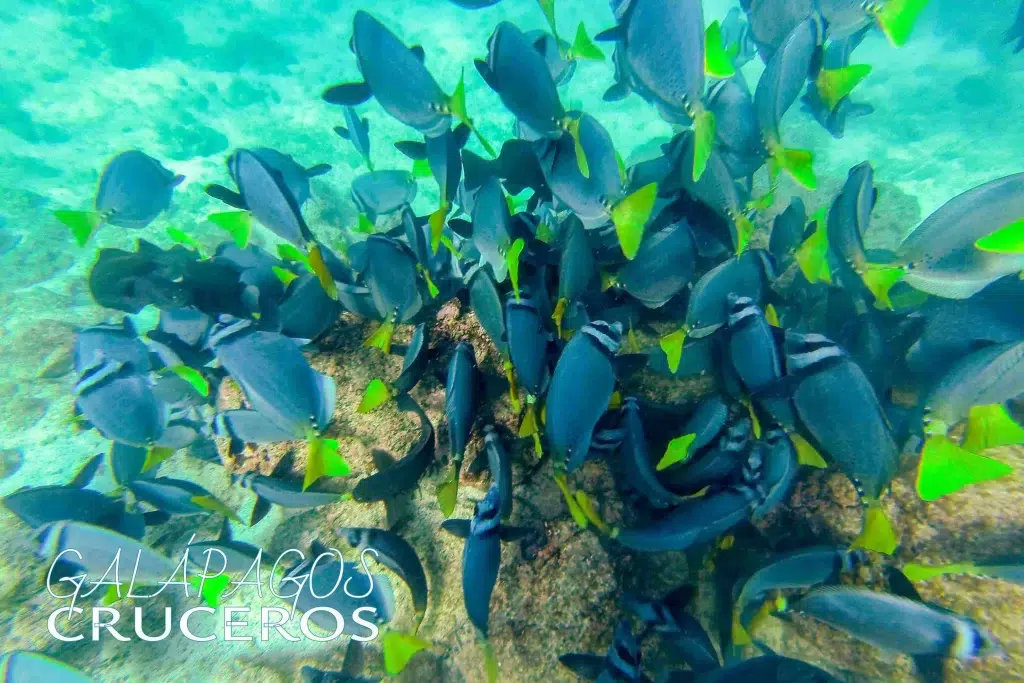
The waters of the Marine Reserve of Galapagos are a haven for an astonishing variety of marine life. From majestic sea turtles to hammerhead sharks, passing through colorful schools of tropical fish, the diversity is simply breathtaking. Coral reefs contribute to this unique ecosystem, providing crucial habitats and breeding areas.
Beneath the crystal-clear waters surrounding the Galapagos Islands, a fascinating underwater world unfolds—just as diverse and unique as the life that defines this archipelago on the surface. The Galapagos Marine Reserve harbors exceptional underwater biodiversity, reinforcing the global reputation of these islands as a natural laboratory of evolution.
Importance for Scientific Research
The Marine Reserve is not only a sanctuary for marine life but also a natural laboratory for scientists and researchers. Constant monitoring of water conditions, migration patterns, and species interactions is essential for understanding and preserving this fragile ecosystem.

Conservation and Challenges
Despite conservation efforts, the Galapagos Marine Reserve faces significant challenges, such as illegal fishing and climate change. The overexploitation of marine resources threatens the ecosystem's sustainability, highlighting the ongoing need for stricter conservation measures and public awareness.
Sustainable Tourism
Tourism in Galapagos plays a crucial role in underwater conservation. The Reserve promotes sustainable tourism, educating visitors on the importance of respecting regulations and environmentally friendly practices. Awareness is key to transforming tourists into active guardians of these fragile ecosystems.
Sustainable tourism not only benefits underwater biodiversity but also local communities. The Marine Reserve works to ensure that economic gains from tourism are reinvested in conservation projects and community development, creating a virtuous cycle that strengthens both the economy and ecology.

A Guide to Visiting the Galapagos Marine Reserve
The Galapagos Islands are a unique natural paradise, where marine and terrestrial life intertwine in a dance of biodiversity. If you're planning a visit to this Pacific wonder, you can't miss the opportunity to immerse yourself in the crystal-clear waters of the Galapagos Marine Reserve. Here’s a guide to make the most of this one-of-a-kind experience.
Travel Planning
Before diving into the adventure, careful planning is essential. Make sure to obtain the necessary permits to visit the Marine Reserve and consult with local tour operators who follow sustainable practices. Booking in advance will ensure a smooth and environmentally respectful experience.
Diving and Snorkeling Equipment
To fully enjoy the underwater richness, having the right equipment is essential. If you're a diving enthusiast, make sure you have your PADI certification and bring your own gear or check if the tour operator provides it. If you prefer snorkeling, a comfortable, high-quality set is crucial for exploring reefs and observing marine life.

Immersion in the Marine Reserve
Unforgettable Encounters
Beneath the waves of the Marine Reserve, encounters with some of the ocean’s most extraordinary creatures await you. From majestic manta rays to playful sea lions, each dive offers the chance to witness the unique underwater diversity of Galapagos. Remember to maintain a respectful distance and follow the established diving and snorkeling guidelines.
Top Diving Spots
Gordon Rocks: Known for its strong currents, Gordon Rocks is the ideal spot to observe hammerhead sharks and other pelagic species. Its unique underwater topography, featuring cliffs and crevices, adds excitement to every dive.
Kicker Rock (Leon Dormido): This iconic rock monolith is famous for its crystal-clear waters and abundant marine life. White-tip sharks, turtles, and schools of tropical fish will accompany you in this unique experience.
In conclusion, the Galapagos Marine Reserve plays a fundamental role in preserving the unique natural wealth of this archipelago. From protecting endangered species to scientific research, the reserve stands as a beacon of hope for marine conservation. However, it serves as a reminder of the importance of continuous action and global collaboration to ensure the long-term survival of this natural treasure.
Discovering the Galapagos Marine Reserve is not only an unforgettable experience for visitors but also a commitment to preserving one of the most precious natural wonders of our planet. Join the conservation mission and uncover the magic hidden beneath the surface of Galapagos waters!